Scaffolding Learner Expectations
Each year around the end of January, Crosslands host their annual Winter Conference in Newcastle. This is the main event across the year, typically folding multiple layers of activity into one physical location.
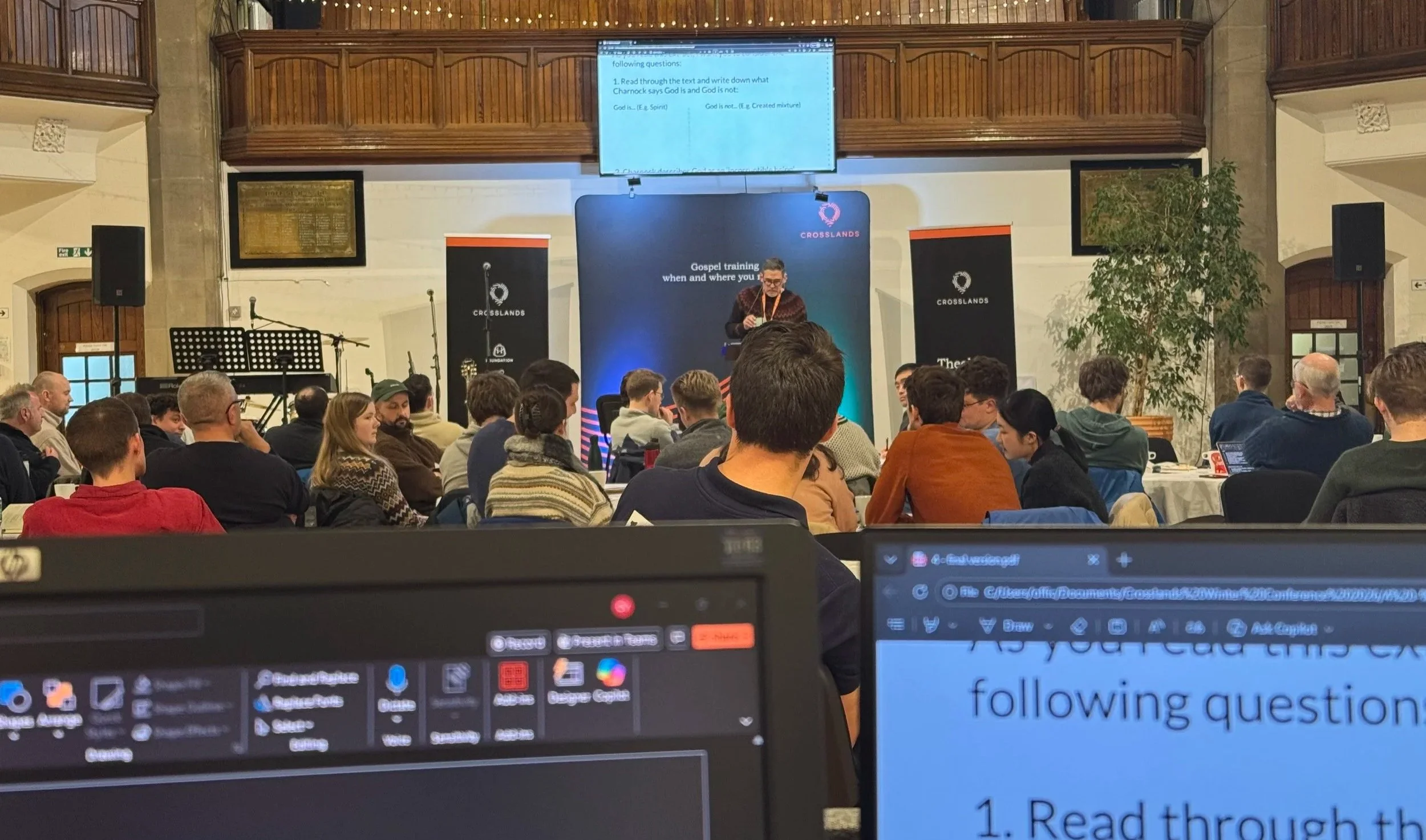
I had the pleasure this year of working with a colleague and friend, Dr. Jonathan Norgate, to design a learning experience for our first and second year seminary students. This short article outlines some of my thinking as I assisted with the planning and delivery of the material.
Initial considerations
A lot of the learning design I do for Crosslands can be helpfully described using a baking analogy: I take a substantial cake and give some thought to how it might be sliced and iced well for the sake of the learners. This means sitting inside the material and asking key questions about the entire learning journey. This will include things like:
where will it take place (online/in person)?
what might be unique to this learning experience which needs paying attention to?
are there any pitfalls or difficulties which may impede the experience?
Most effective learning experiences are built on trust. At Crosslands we have worked hard at fostering healthy feedback loops across strong relationships, so it wasn’t surprising that the planning (and eventual delivery) of this particular course went really well.¹ In our initial chats, Jonathan and I identified several important things:
This course was to be delivered in-person, the material consisted of dense theological material and it was going to last approximately 7 hours.
There was the potential for some students to struggle with this experience(!).²
Jonathan wanted the students to not only absorb theological ideas, but to experience sifting through and evaluating some important theological writers.
Jonathan wanted to introduce ‘six principles of systematic theology’ which would form a recurrent ‘spine’ to the learning experience.
Resource solutions
We created a resource pack which had a very specific design to it. It was a fifteen-page A3 document (black and white, single-sided design, with one huge staple in the top left hand corner). The front page had a clearly-mapped structure for the series of lectures:
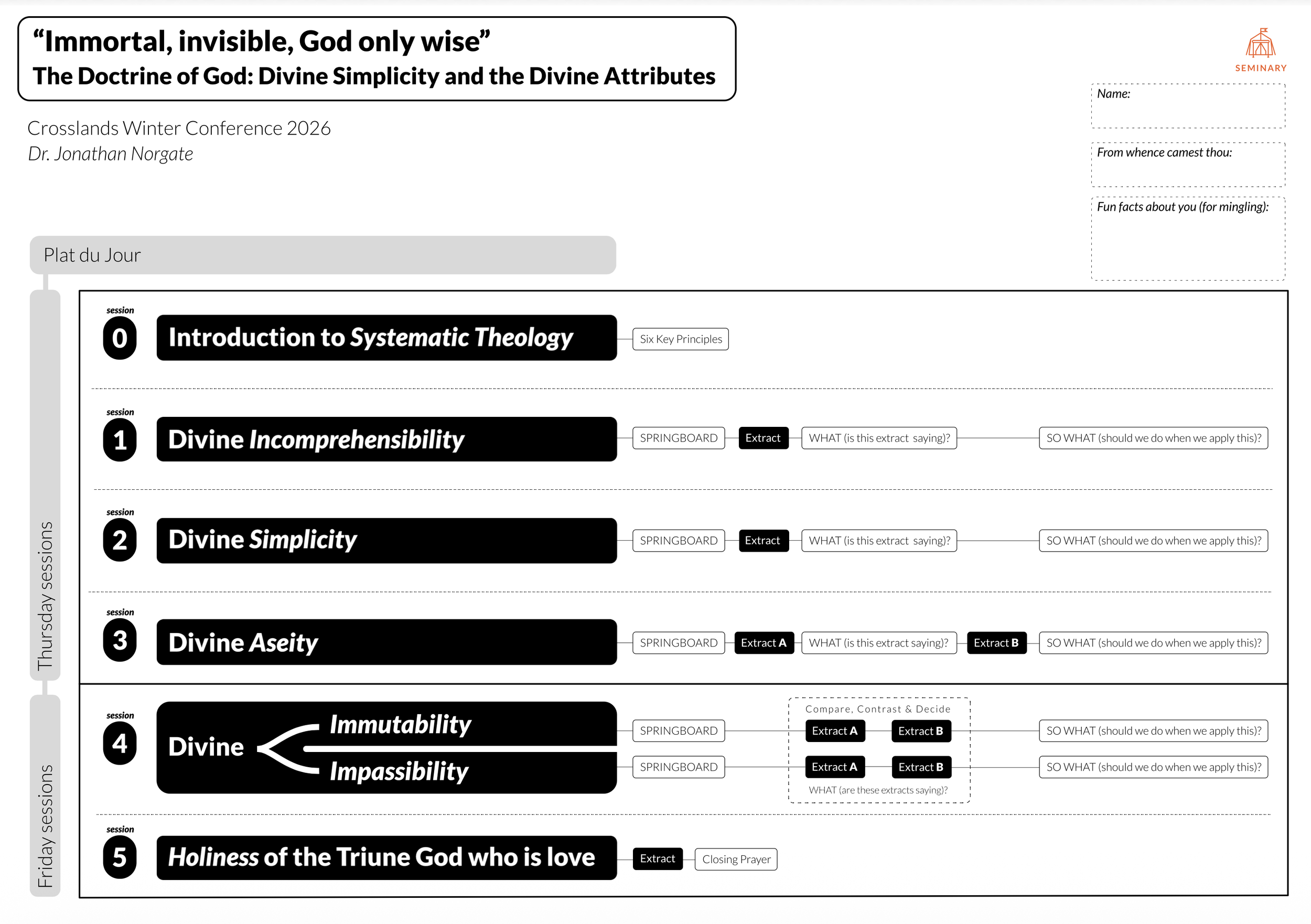
(notice the moments of humour - “Plat Du Jour” and “Fun Facts” - more on humour in a bit…)
In addition to the front page, I created a diagram which was repeated throughout the booklet and to which Jonathan kept referring throughout.
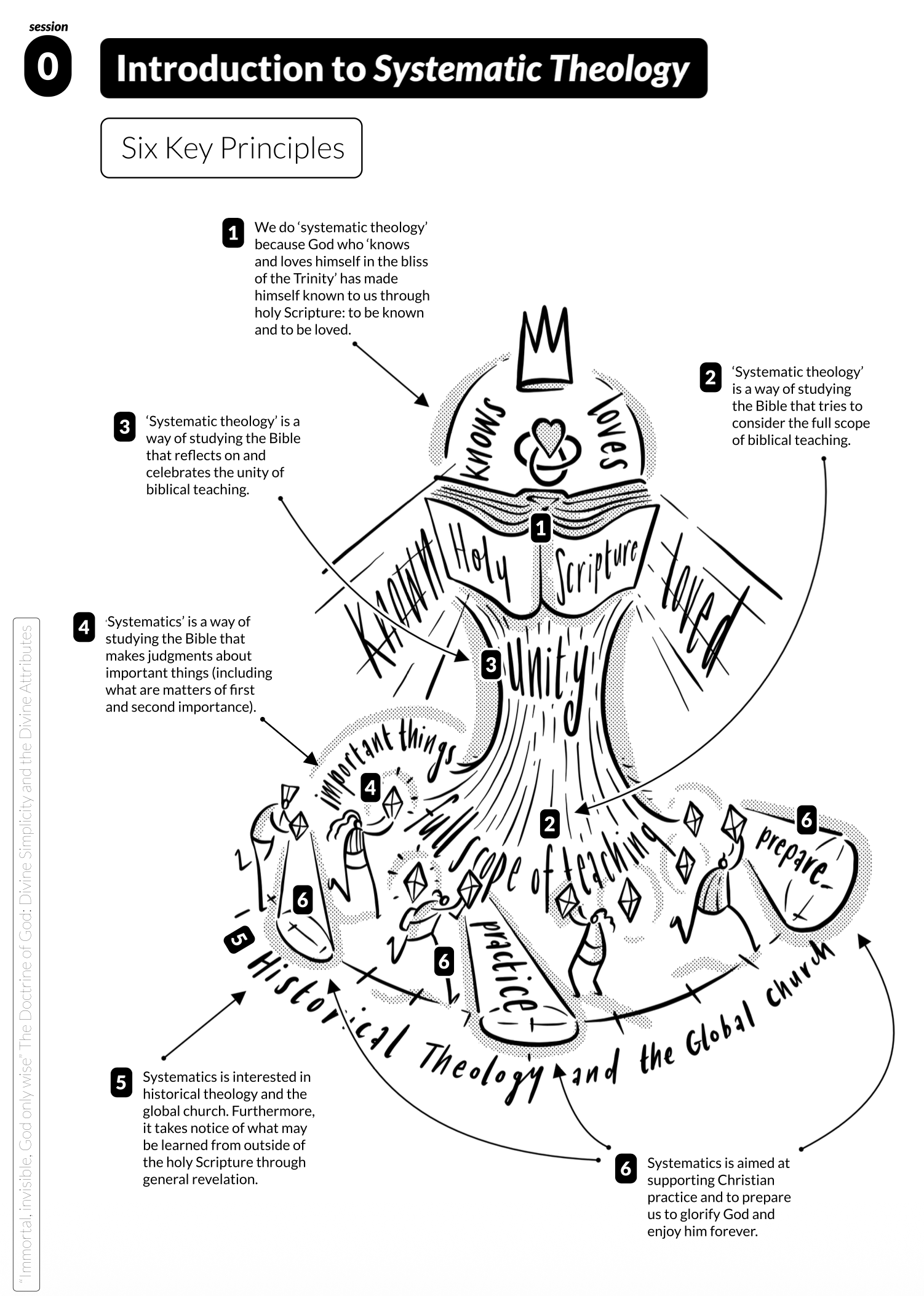
(this was produced after several conversations and edits - it had to be something Jonathan felt comfortable with as a frame)
These two initial tools meant that the learner had very clear expectations going into the seven hours. The one thing we wanted to emphasise was that they were in safe hands and that this was going to be a journey worth taking - in other words the resources were essential to building hospitable trust.
The A3 format was important because the essence of this learning experience was working with theological extracts and making evaluative judgements about them. Here is a screen shot of one page consisting of two extracts:
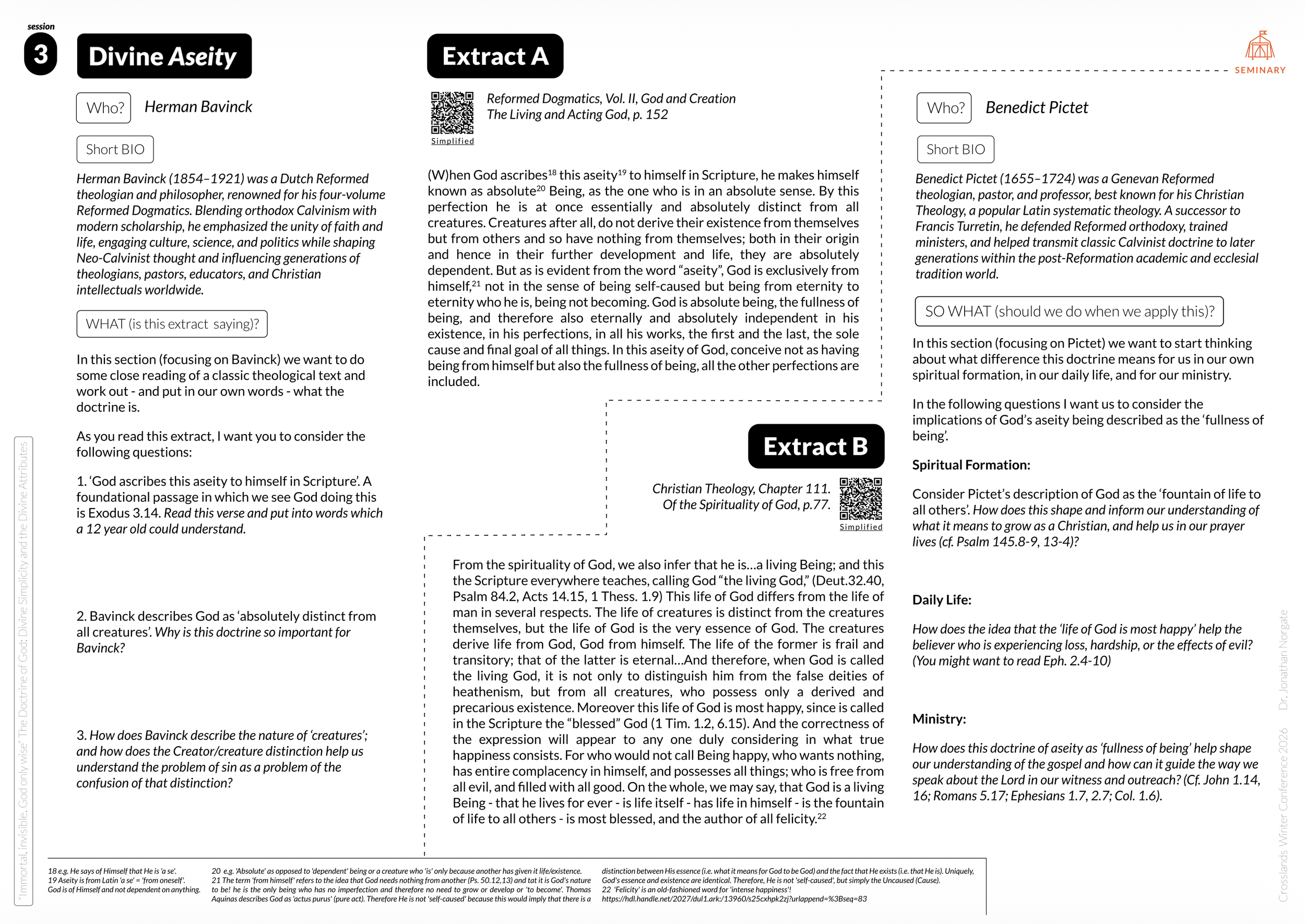
(it is also worth noting that Jonathan had created a simplified version of each extract which could be downloaded using the embedded QR code)
As students worked their way through each section this page was intended for annotation and reflection - something which most in-screen experiences can’t match.
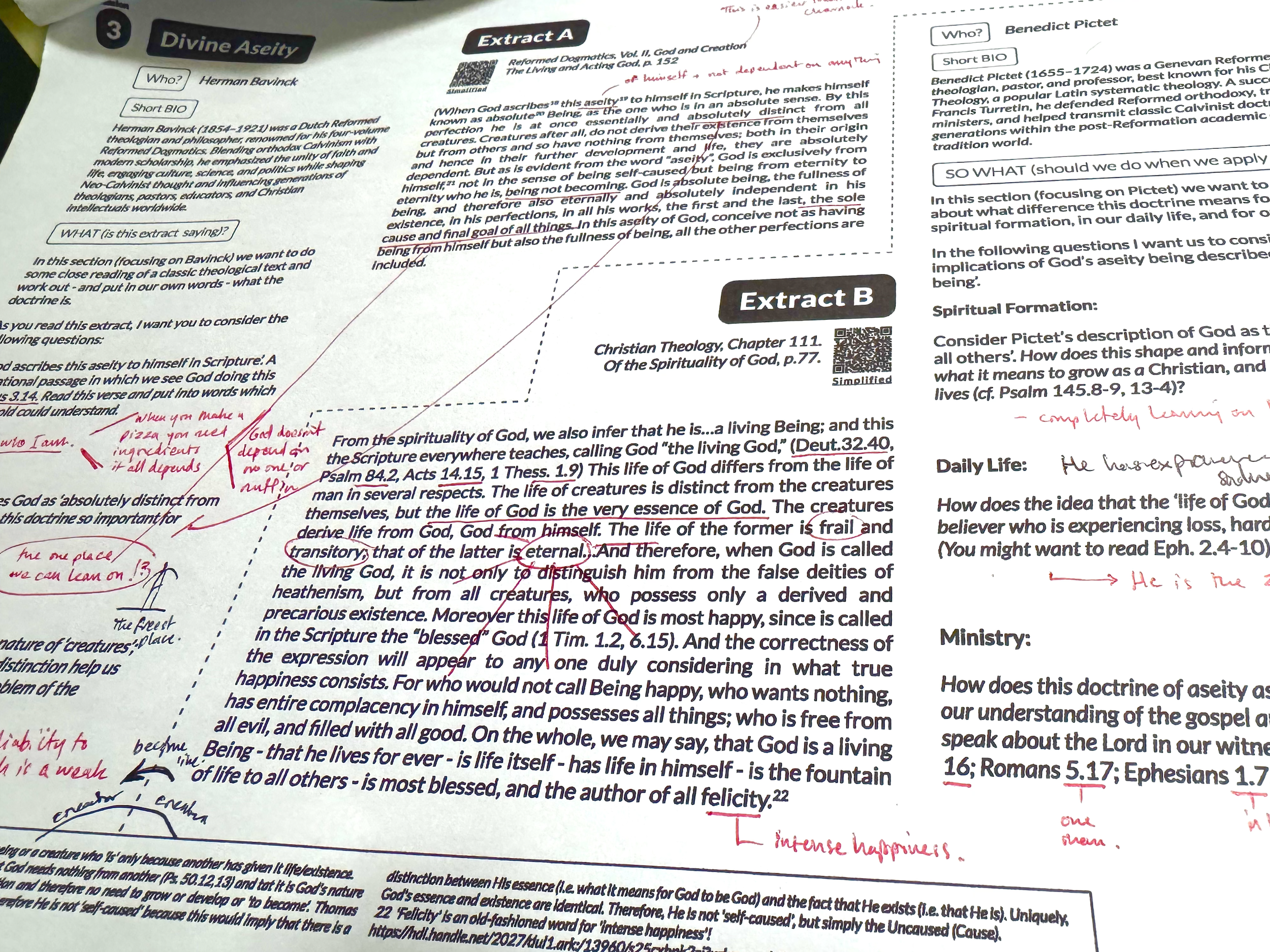
(notes, wonderful notes)
Delivery
It is absolutely true that this course could have been delivered in a mechanistic way with the resources and Jonathan speaking in a dead-pan robot voice. But my friendship with Jonathan was surely something to lean into, right?
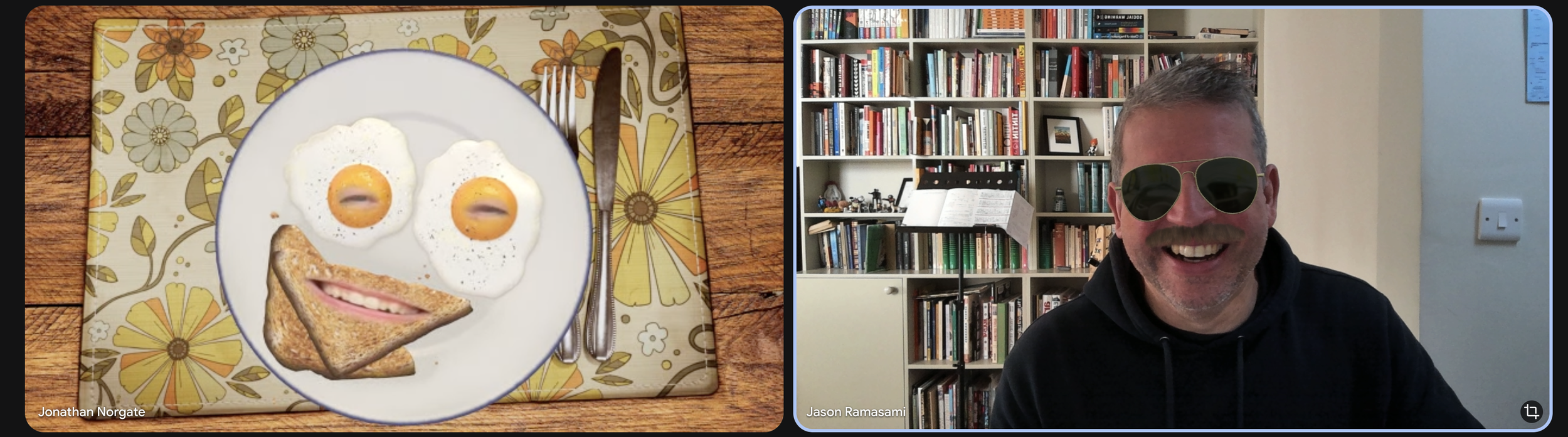
(humour has always been key to our friendship - Top Gun meets Top Sandwich)
So, what better way to counter the possibility of study fatigue across the seven hours than to co-host different sections and shift pace and tone? This is exactly what we did with the structure moving through clearly-signalled sections:
friendly introductions with honest acknowledgements about the length and difficulty of the next section
serious, well scripted mini-lectures (which we called ‘Springboards’ in the notes)
student study time - using the resources - in groups or alone
joint feedback with me chairing and Jonathan being drawn in to offer detailed responses
Learner expectations
When I was a high school teacher I used to work hard at naming difficult moments in the school day as a sneaky way of managing teenagers through times of potentially hard slog. Here is an actual photo from one of my classrooms of something I referred to as the ‘dead zone’:
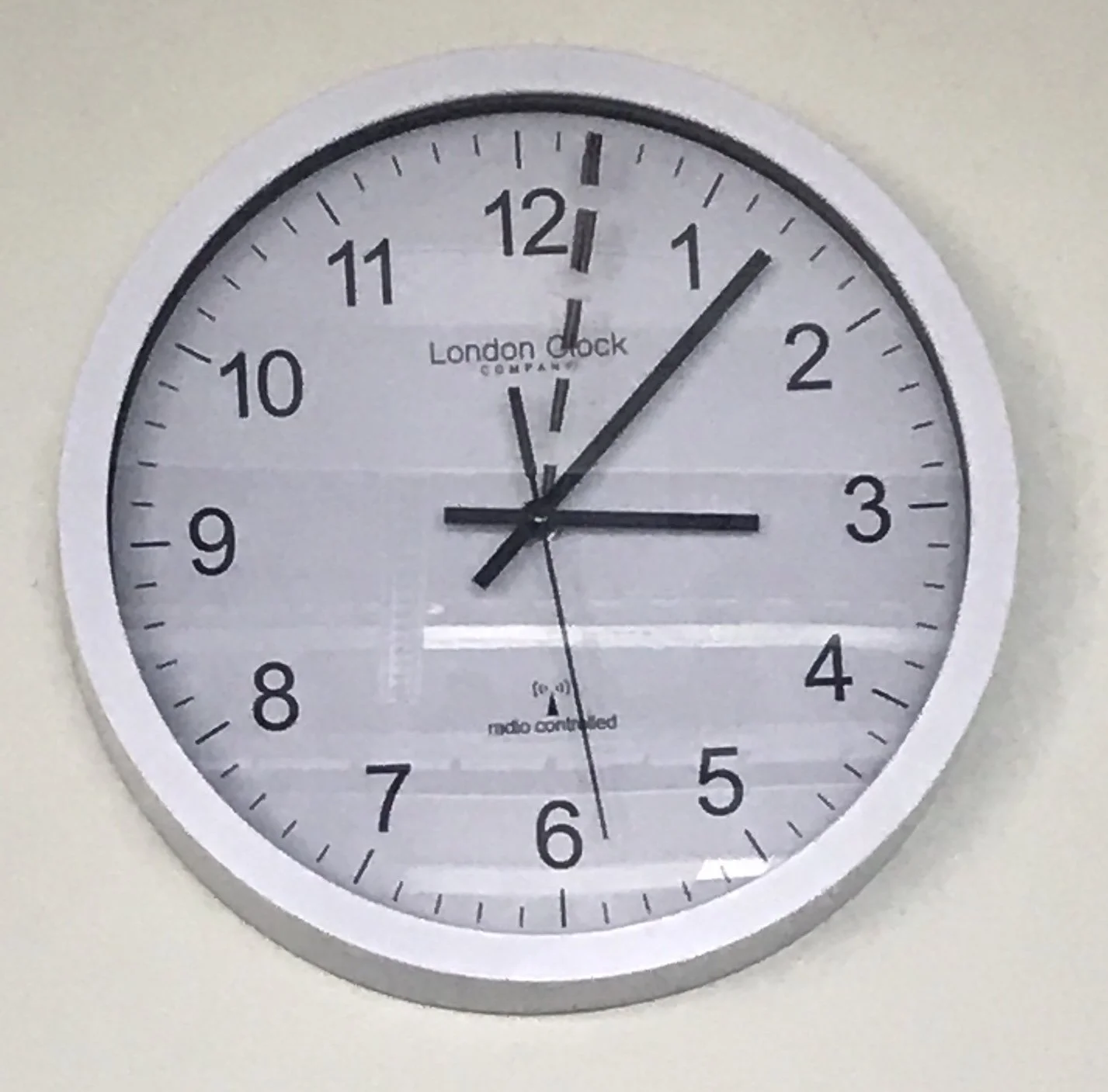
(yes if you look closely you will see a dashed line hand drawn using a board-marker to define the moment where students usually lost the will to live)
By working hard at understanding the learning experience we were offering our first and second year students, it became obvious that we needed to build in some kind of relief and expectation. So we worked hard to make seven challenging hours feel like a manageable and rewarding challenge. By the end, I think the scaffolding - some explicit, some more subtle - helped them get through without fatigue setting in.³
We can do better than impersonal formulas
There is a way of approaching learning design which assumes a formula will simply work. It follows a list and learners are dumped onto the conveyor belt with the material being projected at them. This might work in many situations, but it isn’t good enough.
¹ I think it’s important to say this at the outset because ‘how-to’ online articles often ignore the significance of interpersonal relationships.
² I am sure that some lecturers (and perversely, students) like the idea of launching into a hardcore, seven-hour session on difficult theological ideas where the background motivation is all about ‘mastery’ and ‘knowledge acquisition’, but Jonathan was emphatic about writing this material with a focus on life application. The short contextual bios on each page explicitly drew attention to the situation (usually linked to suffering) that these extracts were written in/for. This is one of my reasons for loving working for this organisation - it pays attention to how ordinary people live out healthy ideas.
³ I am now in possession of a kazoo which Jonathan gave me. At a very key moment (I think it was about hour six of seven) we marked the passing of one of the most difficult sessions with a live twin-rendition of the theme to Coronation Street using this magnificent instrument.