Excellence in Video Tutorial Design
Cavalry¹ is hungrily coming for the Adobe lunch.
I have had some ancient dealings with Adobe After Effects but the cost was too high for a regular subscription and in the end I found that Apple Motion delivered on all of the things I have needed.²
Now there is a real possibility whether I might invest in learning how to animate with Cavalry. After the Canva buy-out last month, the need for an annual subscription was abolished with the ‘pro’ tier of tools being made free for anyone to learn and use.
Of course, once you begin to lean towards something new in this way you really need to think about what kind of uphill struggle the learning curve might involve. Straight out of the gate there are a whole bunch of talented creatives out there who have posted numerous tutorials for free on YouTube.³ The attraction for me is that this is clearly a robust emerging playful platform. The accessible energy and potential speaks volumes - something that After Effects negates with its excessive paywall and bloated installation routine. With Cavalry you can use it immediately to make things which retain that spontaneous ambition that creatives live for.
So in my travels around YouTube I was impressed by the work of Jack Vaughan - my initial search for ‘organic animation using cavalry’ uncovered this piece:
Then a few clicks later I guessed that the team at Cavalry had asked Jack to create some ‘first steps’ tutorials on their official channel. To date there are a handful which Jack has produced and they are all exceptionally well done. I am embedding all three below:
I wanted to make a few comments here about why - from a learning design perspective - these are so so good.
Pace and signposting
Jack has worked hard to make the entry and expectations of these three pieces crystal clear in a compressed (but not rushed) manner. In each of the three tutorials there is a really tightly choreographed introduction that makes it clear who it is for (I love that both complete newbies and experienced motion designers are mentioned). Each video then lays out a set of visual chapter headings with minimal fuss and consistently gets on with the work. All done within thirty seconds.

As a learner I am immediately put at ease because - whatever virtual educational space Jack is inviting me into - he is clearly in control of what he is doing and is not going to waste my time. I found myself happily relaxing into the experience and enjoying how friendly it was.
Inviting us into a shared journey
On this last ‘friendliness’ point - it cannot be overstated how important the tone and relational warmth of an educator need to be. Jack manages to be both authoritative (he clearly knows what he is setting out to do - each piece has a smart professionalism⁵ to it) while still retain a sense of friendliness. Yes he isn’t my buddy - but he also isn’t a know-it-all.
A familiar truism that I have heard (and said) over the years is that your greatest strength is your greatest weakness.⁴ In this situation I am particularly thinking of the curse of expertise: when someone knows their stuff they can unwittingly project a level of superiority to those who are lucky enough to be sitting in your classroom. Sometimes this is an unconscious expression of an inner arrogance - but often it isn’t! The implied learning relationship is something similar to the Tyler Durden approach demonstrated in that Fight Club cult house where ‘you’ are the learning minion gratefully waiting for access.

Don’t get me started on how depressing it is that global leaders think this is an okay way to be.
The point I am trying to make here is that Jack assumes the role of a confident, well-prepared teacher who is still open to learning. This is a very attractive framing of the imminent learning journey because - to be brutally honest - the untouchable mythic expert doesn’t exist. The greatest teachers are hungry learners with a sense of curiosity about what they don’t yet know: how else did they get to this place of mastery?
This product sells itself
In the late eighties Bartle Bogle and Hegarty did some fantastic work in clarifying the relationship between ‘brand’ and ‘product’. We had all sorts of products like Beers and Cars with a brand personality (french, witty, sexy, expensive etc etc).

Beer that somehow IS Manchester. Whatever that is.
Wherever we are now with all of that, one of the lessons learned is surely that while you might be able to construct an impressive communication veneer around something, if the underlying substance isn’t there, the appeal can only last for so long until people realise that this is a snake-oil situation. With Cavalry the product is already excellent, so the main central part of these tutorials is simply about Jack making it clear how to use this tool - which he does cleanly and carefully with enough cues for the early learner to catch on quickly and the more experienced designer to jump ahead with minimal fuss (a classic pitfall at this stage might be to jump too far ahead or to patronise the audience with something far too treacly).
Get in, get out
I have heard at least two educators say that a great lesson is when you tell them what you are going to teach, teach it and then tell them what you taught. In each situation Jack revisits his material with an outro that recaps the main lessons. It has a smart, clean conclusive feel to it which just works in a satisfying way.
I love it when a lesson comes together. (Hannibal’s Lecture, circa 1984)
I have been guilty many times in my teaching career of leaving students mystified by what just happened to them in the classroom. Yes they enjoyed it, but in the end no one was really able to recall what they experienced beyond it being a classic ‘Rama’ lesson. When I have been at my best I have used the closing moments of an educational encounter to draw attention to some of my intentions as their teacher. Yes there are other things that might have been gained - but it is important to have a tidy landing if you want to serve the learners’ memory well.
Is the exit a weary escape or a springboard into future adventures?
Thankfully all three videos avoid the familiar trap where a needy educator is using the teaching interaction as an opportunity to flex their exhaustive (and exhausting) insights. Each retains a focus and wraps things up well - but in my opinion, the one that works the best is the ‘Move, Type, Draw’ video which concludes with some encouragement (see from this point) to use this foundation to do more.
Personally I think that the very best learning experiences provide stimulation for further curiosity and reinforcement. The best school departments I witnessed across seven schools were always those ones that had a thriving out-of-hours extra-curricular programme. In each example I can think of, the classroom wasn’t enough - they wanted to do more and keep on doing it!
There is a danger here that I get on my hobby horse and start spouting off about how holistic education is where a person develops their own convictions and multi-dimensional grasp of the thing in question. To go beyond the theory and fluently navigate it from different angles - to be able to jump in blind and still figure out where you are. This comes through regular practice and ambitious growth - let’s face it that a teacher can only do so much - education is participative in nature.
The best tutorials aren’t about you the tutor: they liberate learners by encouraging them to take the theory and then own it by making it useful.
Thinking of the future
Clearly my interest was driven by this terrific new animation tool, but it has been helpful to think about what is clearly great about these particular tutorial videos. Here are three concluding thoughts and recommendations:
1: To Cavalry - now is the time to invest in great educational material. Think about what you are building and go way beyond getting bums on platform seats. You have an opportunity to significantly alter (and enhance) the motion design landscape.
2: To Jack - you have something really impressive here: quality that immediately speaks. But where the work is at it’s very best - with plenty of room for growth - is again with an eye on the future steps and what your learners might do with the things you are teaching them. Ben Marriot used to do a monthly round up of great motion design and animation thus setting high goals for bets practice, Alex Grigg often puts homework tasks at the end of his superb tutorials (see here as an example). In both cases they are clearly asking questions about what might come next, and how these learnt foundations will serve the future. I have come to these tutorials hungry to make something different and innovative that is distinctively my own - help me to see that path.
3: While I might not have any firm conclusions, I do have questions about how much heavy lifting a YouTube tutorial can do. Clearly it can do a LOT and millions of people find great help every day, but is there a better use of digital technology? I found myself drinking deeply of Alex Grigg’s material and then taking his in-depth courses elsewhere. Ben Marriot also uses YT as a shop-window for additional in-depth courses that he runs. I get that Canva want to retain a free-to-all model but in the back of my mind I wonder whether some kind of investment in an academy of sorts - or enhanced (probably free) programme - would serve their long term aim well.
¹ more specifically Canva who recently bought them - along with Affinity - have been chipping away at the once-essential need for the Adobe suite of apps. I personally haven’t used Adobe tools for over a decade because Affinity have been so consistently good.
² Namely: compositing and illustration masking using simple svg animation with a virtual camera. Let it be said that I love Apple Motion and it has enabled me to really explore some of my creative dreams with animation. Sadly the only love it seems to have been getting lately is a new logo and some fairly basic parity updates.
³ First keyframe, KTP Series, Pepko Motion to name a few. I also hope that Simon Ubsdell will lean in with more of his amazing insights.
⁴ Thanks Uncle Trev Pearce.
⁵ The details really matter here: the image is very clean, everything is framed carefully - he has a sense of what looks good on screen and doesn’t speak with ‘ums’ and ‘errs’ all the time - something I find myself fighting against all the time as a video editor. The gentle sound design doesn’t take over and adds subtle communication about where you are. It drives me mad when people think constant looping noise is good enough (spoiler: it isn’t).
IRL and URL?
I was curious to see how the SNL UK launch would go¹ and jumped on this clip as soon as I saw it in my YouTube feed.
This clip has some good bits in it - Norton's rubbing of Fey's arm is probably the best part² but there was something which didn't quite work, and I think it was typified by the whooping and crowd applause that kept interrupting the flow of the material.
You cannot serve two masters contexts
This reminds me vividly of something I regularly experienced toward the tail-end of Covid-era of zoom teaching. As high-school students returned to high-school classrooms, there was an awkward crossover period of having one or two of the covid remnant tuning in via a laptop from home. Whether we liked it or not, we had to livestream what we were teaching so that the distant learner could at least stay in the game. It was admittedly a bit of a sad affair seeing this gloomy face clearly bored but parentally-obligated to attend.
As an instinctive showman³ I wasn't keen to let them simply co-exist in a digital box - I wanted to be engaging and to draw them into the great time we were having in the flesh and blood world⁴ - so I would work much harder to talk directly to them, to not allow them to disappear into the Ethernet. In other words I was trying to build a viable bridge between IRL and URL.
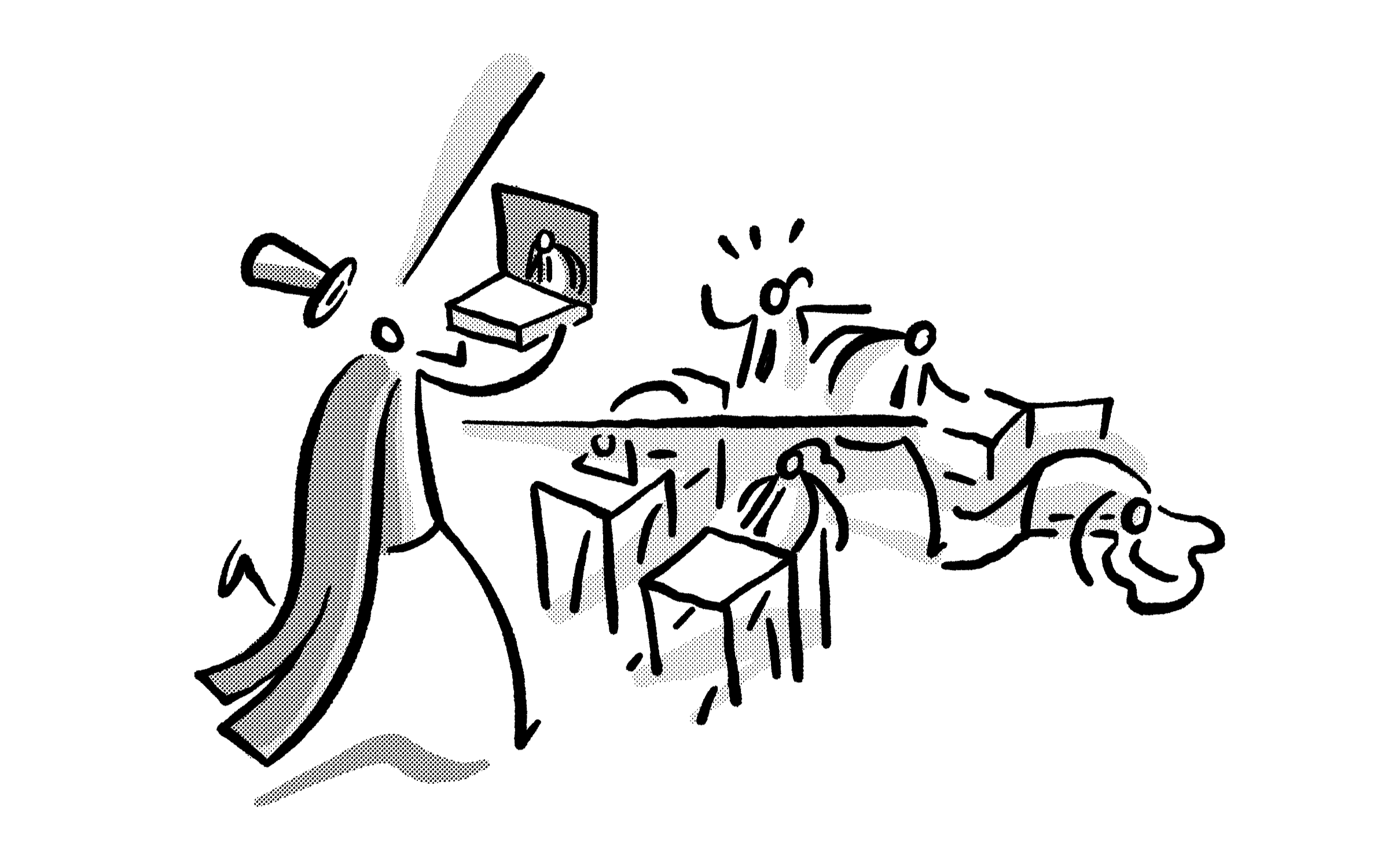
The problem with this was that I could never quite get the balance right - attention and care for one context usually dominated with the other group losing out. After having a bit of banter with student X online I frequently spotted very bored (usually doodling) students sitting in the back of my actual room who had essentially tuned out. I frequently felt I had failed the people who had turned up for the sake of the ones who hadn't.
Eventually I made my peace and would openly acknowledge to the zoom student that this was never going to be as good as in-person education. I hope they found some of the experience helpful but I have always feared the worst.
For me, this is the EXACT tension that was playing out in that SNL clip above: I felt increasingly alienated because I wasn't there. Whoever was whooping and interrupting the flow of material was feeling something in the room that just didn't (or couldn't) which meant a bleaker sense of distance.
Identifying the rift and building a meaningful bridge
The problem facing the SNL UK team - as they seek to establish a foothold in the media landscape - is to find a way of making the remote experience feel as good as being in the room. I am certain Sky are forking out a lot of cash to make it work.¹ One of the most important strategies going forward is to figure out how to repeat what Graham Norton was doing when he rubbed Tina Fey's arm in humorous mock reassurance: he was reading the cultural dissonance between two contexts and then leaning into it as a kind of human bridge.
This perhaps outlines my beef with the promise of AI and scaled up learning: it takes a skilled listener to spot the rifts and then to bridge them.
¹ I wish them well and hope that they find their groove. I know that SNL (US) has its issues but there's a lot that I love about it as well. Yes I used this footnote twice because it’s easy to be full of snark online these days. It is hard to make something good and we find it way too convenient to participate in the demolition business.
² Graham Norton has developed an instinct for reading the cultural rifts in the room and doing something very funny by awkwardly and intentionally sitting himself right in the middle of that divide - you can feel it in this very moment and it is very funny. Up until that point the Tina Fey persona is trading off of some kind of transatlantic-comedic-royal-family-entitlement persona. She has certainly earned the right, but with SNL UK you have to be better than that - something which I think the sketch is acknowledging with Sera et al.
³ Imagine an out of shape Huge Jackman huffing his way through those routines in a slightly unfit manner.
⁴ Honest.
Scaffolding Learner Expectations
Each year around the end of January, Crosslands host their annual Winter Conference in Newcastle. This is the main event across the year, typically folding multiple layers of activity into one physical location.
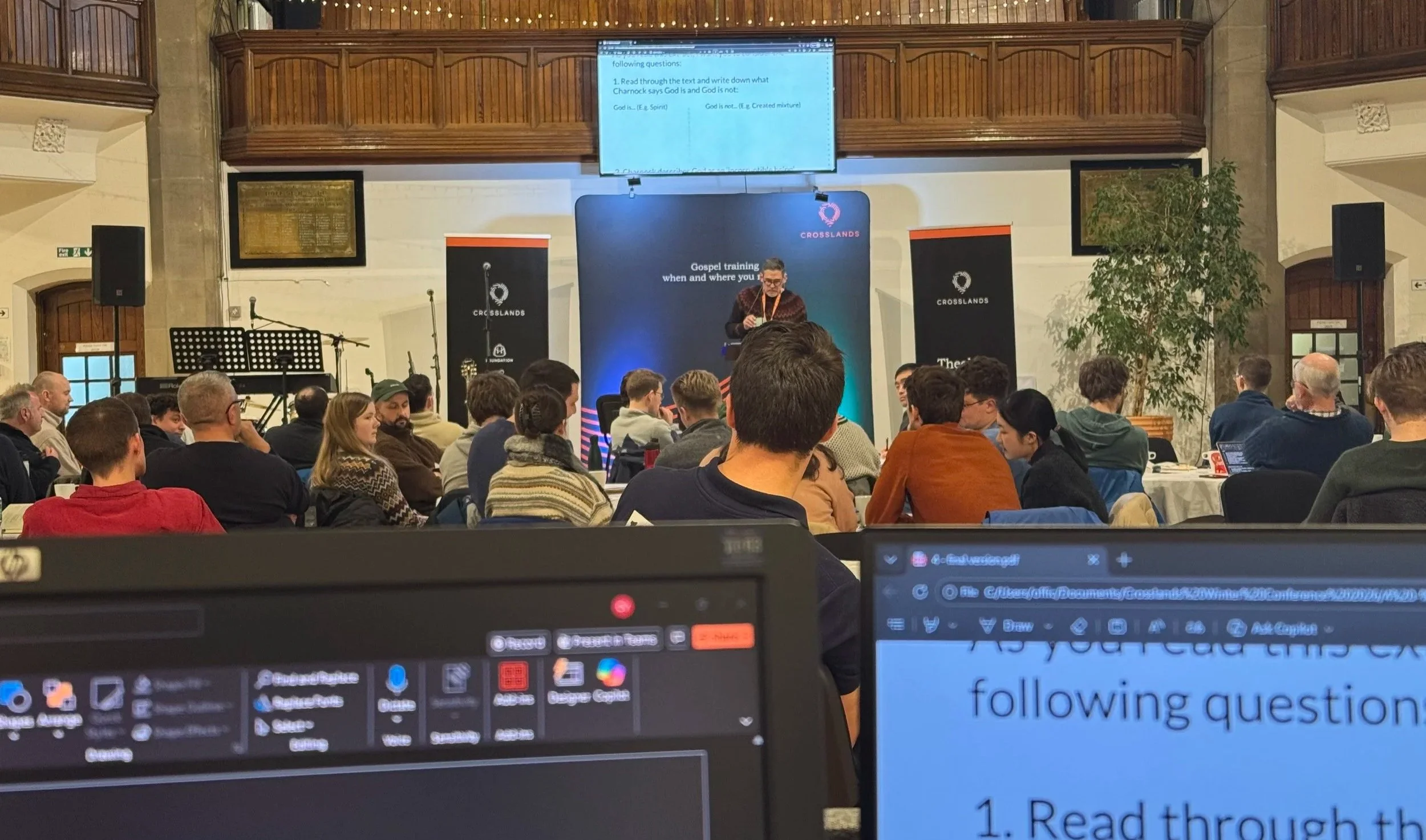
I had the pleasure this year of working with a colleague and friend, Dr. Jonathan Norgate, to design a learning experience for our first and second year seminary students. This short article outlines some of my thinking as I assisted with the planning and delivery of the material.
Initial considerations
A lot of the learning design I do for Crosslands can be helpfully described using a baking analogy: I take a substantial cake and give some thought to how it might be sliced and iced well for the sake of the learners. This means sitting inside the material and asking key questions about the entire learning journey. This will include things like:
where will it take place (online/in person)?
what might be unique to this learning experience which needs paying attention to?
are there any pitfalls or difficulties which may impede the experience?
Most effective learning experiences are built on trust. At Crosslands we have worked hard at fostering healthy feedback loops across strong relationships, so it wasn’t surprising that the planning (and eventual delivery) of this particular course went really well.¹ In our initial chats, Jonathan and I identified several important things:
This course was to be delivered in-person, the material consisted of dense theological material and it was going to last approximately 7 hours.
There was the potential for some students to struggle with this experience(!).²
Jonathan wanted the students to not only absorb theological ideas, but to experience sifting through and evaluating some important theological writers.
Jonathan wanted to introduce ‘six principles of systematic theology’ which would form a recurrent ‘spine’ to the learning experience.
Resource solutions
We created a resource pack which had a very specific design to it. It was a fifteen-page A3 document (black and white, single-sided design, with one huge staple in the top left hand corner). The front page had a clearly-mapped structure for the series of lectures:
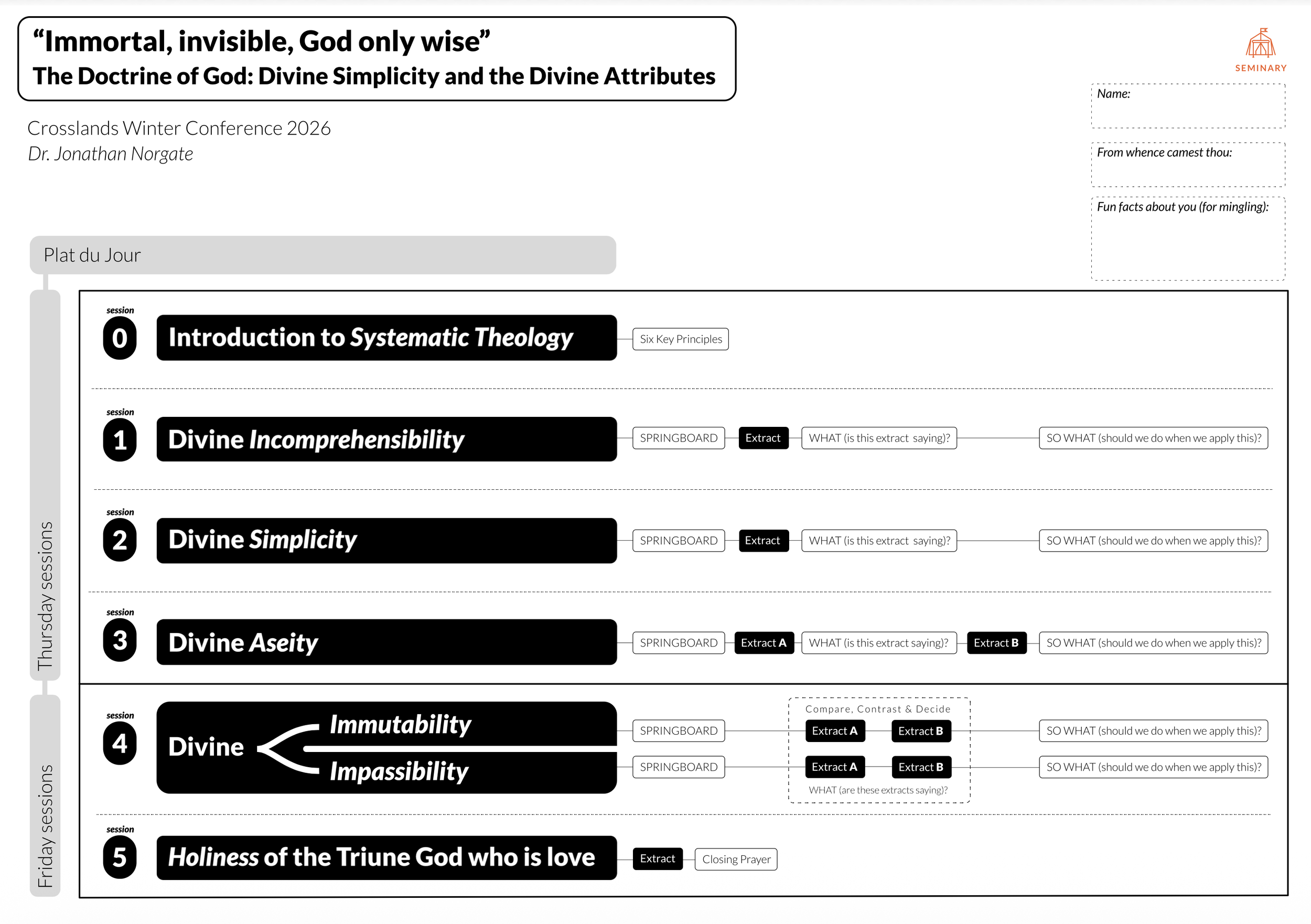
(notice the moments of humour - “Plat Du Jour” and “Fun Facts” - more on humour in a bit…)
In addition to the front page, I created a diagram which was repeated throughout the booklet and to which Jonathan kept referring throughout.
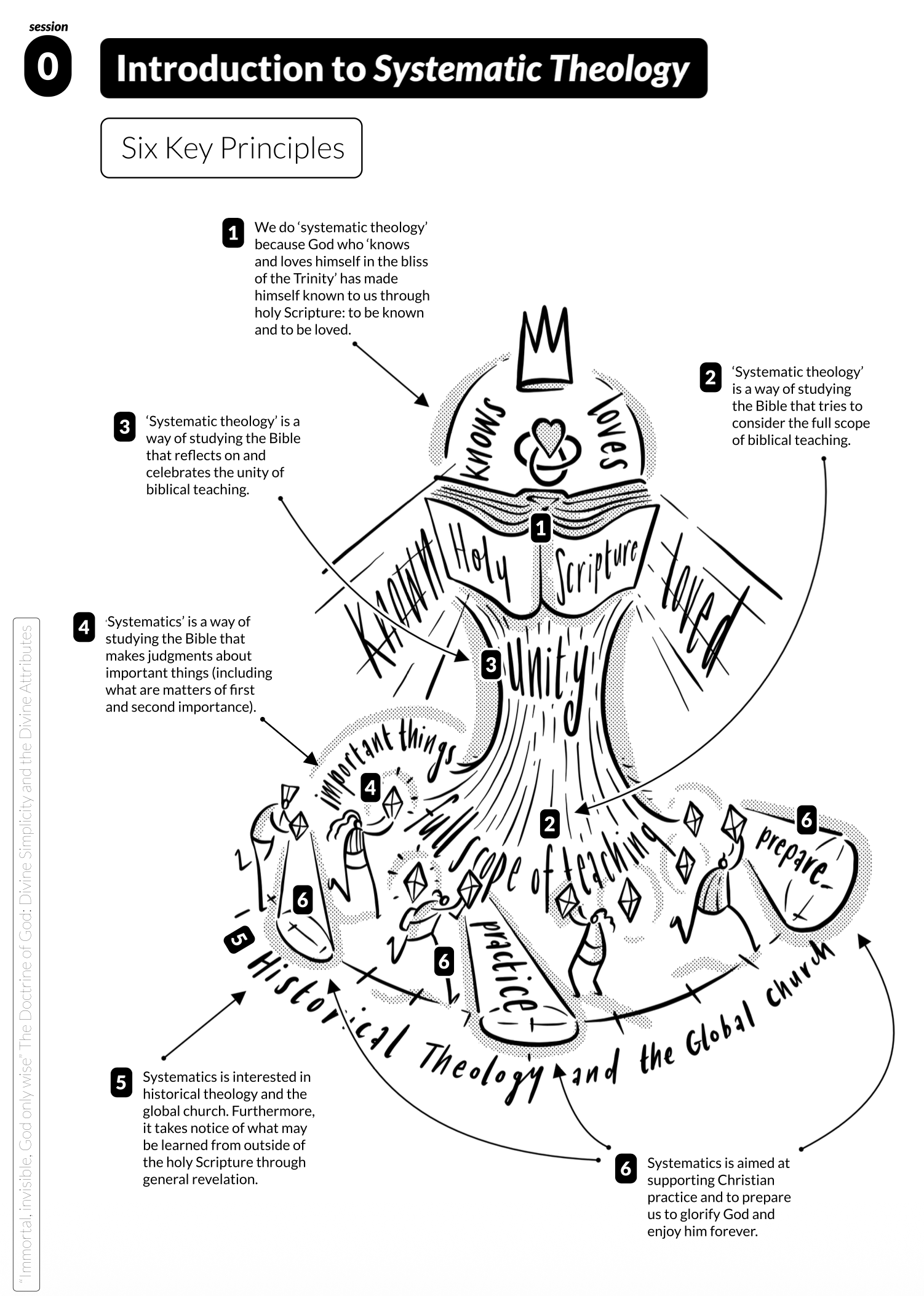
(this was produced after several conversations and edits - it had to be something Jonathan felt comfortable with as a frame)
These two initial tools meant that the learner had very clear expectations going into the seven hours. The one thing we wanted to emphasise was that they were in safe hands and that this was going to be a journey worth taking - in other words the resources were essential to building hospitable trust.
The A3 format was important because the essence of this learning experience was working with theological extracts and making evaluative judgements about them. Here is a screen shot of one page consisting of two extracts:
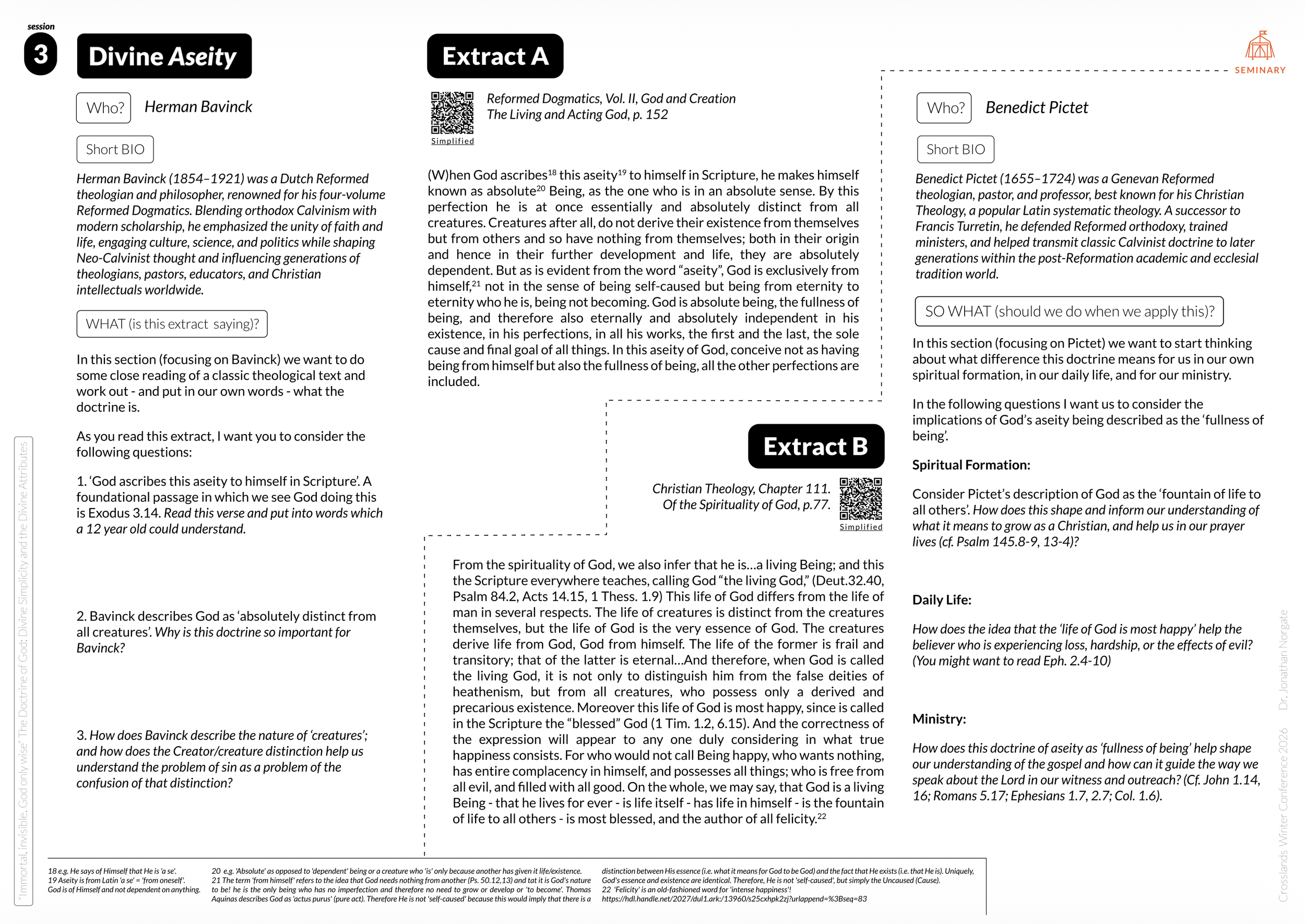
(it is also worth noting that Jonathan had created a simplified version of each extract which could be downloaded using the embedded QR code)
As students worked their way through each section this page was intended for annotation and reflection - something which most in-screen experiences can’t match.
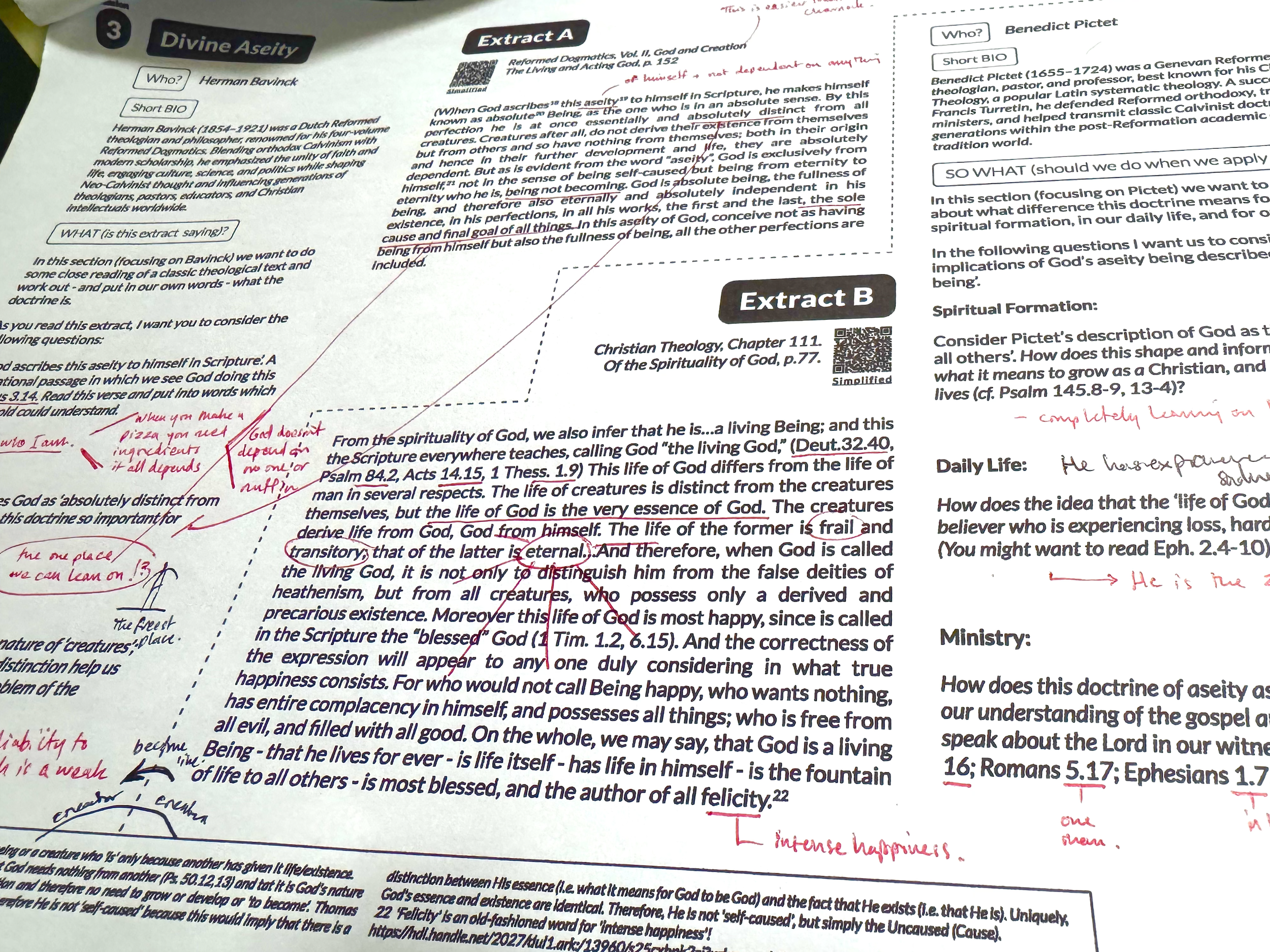
(notes, wonderful notes)
Delivery
It is absolutely true that this course could have been delivered in a mechanistic way with the resources and Jonathan speaking in a dead-pan robot voice. But my friendship with Jonathan was surely something to lean into, right?

(humour has always been key to our friendship - Top Gun meets Top Sandwich)
So, what better way to counter the possibility of study fatigue across the seven hours than to co-host different sections and shift pace and tone? This is exactly what we did with the structure moving through clearly-signalled sections:
friendly introductions with honest acknowledgements about the length and difficulty of the next section
serious, well scripted mini-lectures (which we called ‘Springboards’ in the notes)
student study time - using the resources - in groups or alone
joint feedback with me chairing and Jonathan being drawn in to offer detailed responses
Learner expectations
When I was a high school teacher I used to work hard at naming difficult moments in the school day as a sneaky way of managing teenagers through times of potentially hard slog. Here is an actual photo from one of my classrooms of something I referred to as the ‘dead zone’:
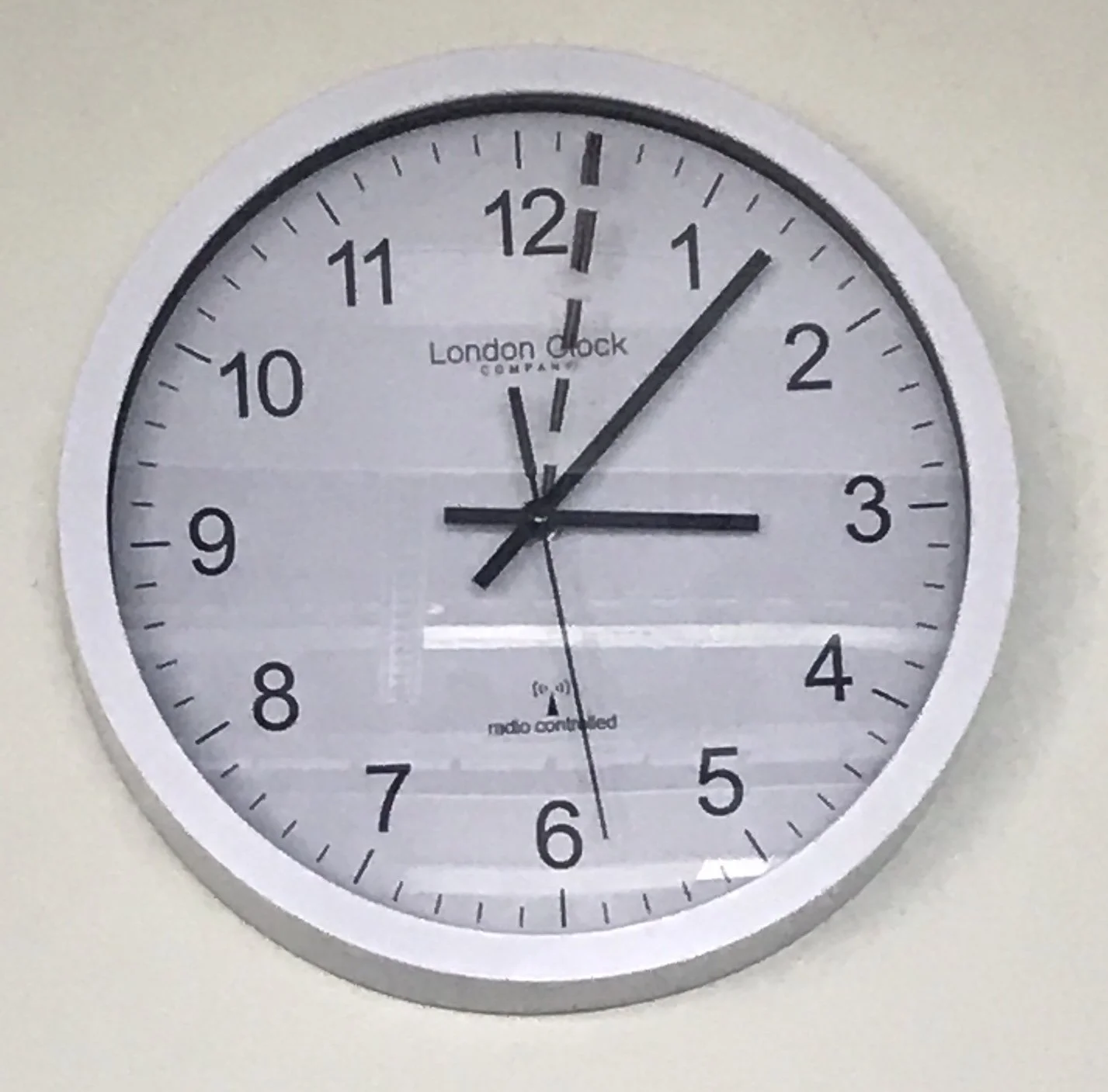
(yes if you look closely you will see a dashed line hand drawn using a board-marker to define the moment where students usually lost the will to live)
By working hard at understanding the learning experience we were offering our first and second year students, it became obvious that we needed to build in some kind of relief and expectation. So we worked hard to make seven challenging hours feel like a manageable and rewarding challenge. By the end, I think the scaffolding - some explicit, some more subtle - helped them get through without fatigue setting in.³
We can do better than impersonal formulas
There is a way of approaching learning design which assumes a formula will simply work. It follows a list and learners are dumped onto the conveyor belt with the material being projected at them. This might work in many situations, but it isn’t good enough.
¹ I think it’s important to say this at the outset because ‘how-to’ online articles often ignore the significance of interpersonal relationships.
² I am sure that some lecturers (and perversely, students) like the idea of launching into a hardcore, seven-hour session on difficult theological ideas where the background motivation is all about ‘mastery’ and ‘knowledge acquisition’, but Jonathan was emphatic about writing this material with a focus on life application. The short contextual bios on each page explicitly drew attention to the situation (usually linked to suffering) that these extracts were written in/for. This is one of my reasons for loving working for this organisation - it pays attention to how ordinary people live out healthy ideas.
³ I am now in possession of a kazoo which Jonathan gave me. At a very key moment (I think it was about hour six of seven) we marked the passing of one of the most difficult sessions with a live twin-rendition of the theme to Coronation Street using this magnificent instrument.
Apple Fitness: a personal feedback loop that bridges the virtual divide
In a previous article I laid out a few thoughts about some of the key principles I bring to bear in my day job working at Crosslands as their learning designer. I spoke a little about the process involved and the kind of stages I might typically go through when I work on a course. Now in my fifth year I am still using these.
Then more recently I put together some personal reflections on how learning design is fundamentally linked to the curation/creation of a hospitable environment where expert skilled instruction makes effective use of accessible resources.
In this post I am going to underline this point with something I have been reflecting on from a sweaty yoga mat in my kitchen.
Apple Fitness
After several recurrent jogging injuries I swallowed my pride and took the advice of my wife seriously¹ to give some time to weekly core exercises and begin to strengthen my body in less damaging ways than road running. This was about three years ago.
I already had an Apple Watch so the relative convenience of enrolling in the Apple Fitness programme seemed like a no-brainer. For about £80 for one year I could access something that would fit in with my timetable² and save me a lot of money compared to the local gym offerings. So I went for it.
Does Apple Fitness exemplify 'skilled instruction and accessible resources within an hospitable environment'?

Well, the environment I 'entered' is made up of several components:
a yoga mat in whatever undisturbed space works for you (for between 10 and 30 minutes)
a screen/speakers/headphones that can project the Fitness app (TV, iPad, Mac or iPhone will work)
an Apple Watch

I look exactly like this.
The visual/ergonomic design across these elements is incredibly polished and holistic. At the core of the experience are Apple's three fitness rings (standing, movement and exercise) that gamify your physical existence in peculiar ways (anyone else gone out for a walk at 10pm to complete the red movement ring?).
Tell me how I am doing
One key characteristic you will see in any excellent learning environment is the use of personalised feedback - the Watch operates as a highly personal specific data source which is then represented on screen or with a haptic 'tap' on your wrist when those completed moments are reached. It couldn't feel more personal (I should also say that cocoon-like intimacy of AirPod headphones really cements this extraordinary experience).
You new imaginary coach
Let's just get the obvious thing out of the way here: the grand illusion is that these are real people serving you a real fitness class in real time, which of course they aren't. It's all professionally pre-recorded, performed and sliced up in ways that the Worthing Fit4 Membership can't compete with. It's your new imaginary coach!
I came across this excerpt from a post by Brace Belden³ on the rise of podcasting. He speaks directly into my last point:
"...parasocial relationships—that two-dollar phrase for people who are also excited to write things like “ontology”—are so popular now, being simulacra that work just good enough to replace the real thing. The “friendship simulator” element is crucial in all this, and also its most sordid part. The hugely popular shows have a familiarity to them, the host drawing listeners in such that you feel like you might just be a shy participant in an exciting conversation.
…Shows like this have a flow that the listener doesn’t actually participate in—the hosts have gone home, you’re the only one in the room, and it’s a dead conversation that’s already happened—but, given the intimacy of how the product is consumed, can get the same psychic impression. On your commute, while you do laundry or cook dinner, your best friend lives in your phone."
(Belden is himself a podcast host which makes this even more fun to read). Apple is providing a personal fitness trainer at the fraction of the price, providing challenging routines and just in case you felt like this as an impersonal experience - is providing the most intimate feedback you could get.
Scaled-up Diverse Hosting
Each of the instructors have been carefully 'curated' to encourage wider learner participation. During my time of taking these classes I was glad to be instructed by a woman who was clearly in her 70s, another who might be described as 'rotund' or others chosen from a range of diverse ethnicities. One class was led by a man with a prosthetic limb - I loved how normal this diverse bunch of coaches felt to be around. And by being at ease with them meant that I was at ease with myself - surely the goal for anyone who is out of shape or slightly embarrassed about their physicality, right? I was being generously encouraged by a caring inclusive community - and not implicitly body shamed within some evolutionary ‘survival of the fittest’ space.
These are important considerations for the way a fitness program is framed. Many YouTube equivalents out there unwittingly get this wrong. An organisation as large as Apple has done well to invest in this framing especially as they look to scale things up for lots of non-fitness types. It reminds me a little of the inclusive success of ParkRun, but maybe I will leave that until another time.
You’ll notice that these observations aren't getting into the specific classes. What I am doing is pointing out that effective learning requires a curated setting.
How effective was it, and can it improve?
Well - I think it's important to say that I participated in this for two years and then unsubscribed. My reasoning was that it had provided me with some helpful scaffolding, but then I needed to move away and do my own thing (I also wanted to save some money).
Positively, this had been a guided opportunity to develop a clearer idea of how to DO core exercises. One of the key principles behind effective learning is making space for deliberate practice - you can’t simply tell someone about the thing - you really need to give them practice time to develop habits and patterns of familiarity.
Apple bean-counters might argue that this was a failure because I'm not coughing up the dough any more, but I would argue that another perspective: that effective education always results in removing scaffolding. That might not sit with the capitalist dream of deeper wallet commitment, but I certainly made progress into great physical fitness - and with it - independent, confident practice.
I suppose my growing conviction is that online virtual education provision can only get you so far. One of the benchmarks for our work at Crosslands is that serving mature participation in a local community must always be the focus. The wonderful era of virtual tools is not an end in itself.
Maybe Worthing Fit4 is the best way forwards after all...
¹ Finally.
² Let me say straight away that I am a strong believer in the power of embodied communal activities - they break the trend for extreme individualism that late-capitalism has certainly infected us with. Isolated 'mastery' is poisonous to mental health and the apparent inefficiency of gathering with others in specific places, at specific times, for specific activities that can't be done anywhere else is a great thing that should be taken advantage of at every opportunity. There, I said my thing.
³ Source here. Thanks to Charles Arthur for linking to it with his excellent Overspill newletter.