Excellence in Video Tutorial Design
Cavalry¹ is hungrily coming for the Adobe lunch.
I have had some ancient dealings with Adobe After Effects but the cost was too high for a regular subscription and in the end I found that Apple Motion delivered on all of the things I have needed.²
Now there is a real possibility whether I might invest in learning how to animate with Cavalry. After the Canva buy-out last month, the need for an annual subscription was abolished with the ‘pro’ tier of tools being made free for anyone to learn and use.
Of course, once you begin to lean towards something new in this way you really need to think about what kind of uphill struggle the learning curve might involve. Straight out of the gate there are a whole bunch of talented creatives out there who have posted numerous tutorials for free on YouTube.³ The attraction for me is that this is clearly a robust emerging playful platform. The accessible energy and potential speaks volumes - something that After Effects negates with its excessive paywall and bloated installation routine. With Cavalry you can use it immediately to make things which retain that spontaneous ambition that creatives live for.
So in my travels around YouTube I was impressed by the work of Jack Vaughan - my initial search for ‘organic animation using cavalry’ uncovered this piece:
Then a few clicks later I guessed that the team at Cavalry had asked Jack to create some ‘first steps’ tutorials on their official channel. To date there are a handful which Jack has produced and they are all exceptionally well done. I am embedding all three below:
I wanted to make a few comments here about why - from a learning design perspective - these are so so good.
Pace and signposting
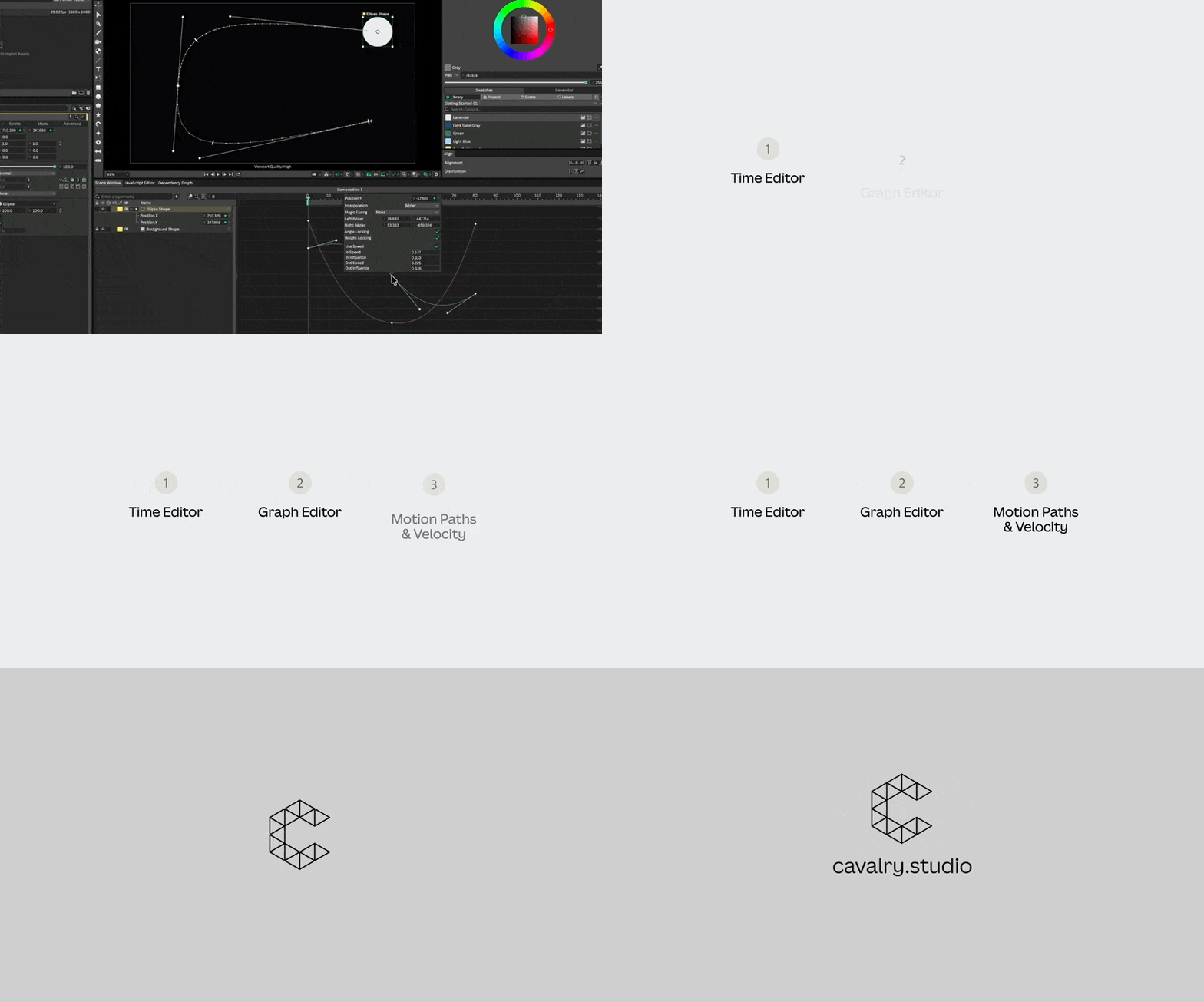
Jack has worked hard to make the entry and expectations of these three pieces crystal clear in a compressed (but not rushed) manner. In each of the three tutorials there is a really tightly choreographed introduction that makes it clear who it is for (I love that both complete newbies and experienced motion designers are mentioned). Each video then lays out a set of visual chapter headings with minimal fuss and consistently gets on with the work. All done within thirty seconds.

As a learner I am immediately put at ease because - whatever virtual educational space Jack is inviting me into - he is clearly in control of what he is doing and is not going to waste my time. I found myself happily relaxing into the experience and enjoying how friendly it was.
Inviting us into a shared journey
On this last ‘friendliness’ point - it cannot be overstated how important the tone and relational warmth of an educator need to be. Jack manages to be both authoritative (he clearly knows what he is setting out to do - each piece has a smart professionalism⁵ to it) while still retain a sense of friendliness. Yes he isn’t my buddy - but he also isn’t a know-it-all.
A familiar truism that I have heard (and said) over the years is that your greatest strength is your greatest weakness.⁴ In this situation I am particularly thinking of the curse of expertise: when someone knows their stuff they can unwittingly project a level of superiority to those who are lucky enough to be sitting in your classroom. Sometimes this is an unconscious expression of an inner arrogance - but often it isn’t! The implied learning relationship is something similar to the Tyler Durden approach demonstrated in that Fight Club cult house where ‘you’ are the learning minion gratefully waiting for access.
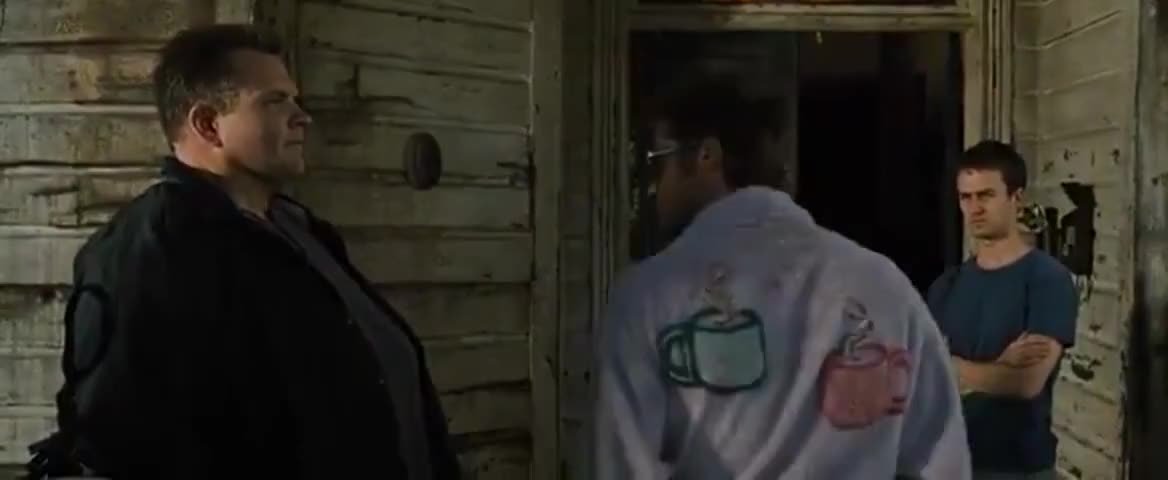
Don’t get me started on how depressing it is that global leaders think this is an okay way to be.
The point I am trying to make here is that Jack assumes the role of a confident, well-prepared teacher who is still open to learning. This is a very attractive framing of the imminent learning journey because - to be brutally honest - the untouchable mythic expert doesn’t exist. The greatest teachers are hungry learners with a sense of curiosity about what they don’t yet know: how else did they get to this place of mastery?
This product sells itself
In the late eighties Bartle Bogle and Hegarty did some fantastic work in clarifying the relationship between ‘brand’ and ‘product’. We had all sorts of products like Beers and Cars with a brand personality (french, witty, sexy, expensive etc etc).

Beer that somehow IS Manchester. Whatever that is.
Wherever we are now with all of that, one of the lessons learned is surely that while you might be able to construct an impressive communication veneer around something, if the underlying substance isn’t there, the appeal can only last for so long until people realise that this is a snake-oil situation. With Cavalry the product is already excellent, so the main central part of these tutorials is simply about Jack making it clear how to use this tool - which he does cleanly and carefully with enough cues for the early learner to catch on quickly and the more experienced designer to jump ahead with minimal fuss (a classic pitfall at this stage might be to jump too far ahead or to patronise the audience with something far too treacly).
Get in, get out
I have heard at least two educators say that a great lesson is when you tell them what you are going to teach, teach it and then tell them what you taught. In each situation Jack revisits his material with an outro that recaps the main lessons. It has a smart, clean conclusive feel to it which just works in a satisfying way.
I love it when a lesson comes together. (Hannibal’s Lecture, circa 1984)
I have been guilty many times in my teaching career of leaving students mystified by what just happened to them in the classroom. Yes they enjoyed it, but in the end no one was really able to recall what they experienced beyond it being a classic ‘Rama’ lesson. When I have been at my best I have used the closing moments of an educational encounter to draw attention to some of my intentions as their teacher. Yes there are other things that might have been gained - but it is important to have a tidy landing if you want to serve the learners’ memory well.
Is the exit a weary escape or a springboard into future adventures?
Thankfully all three videos avoid the familiar trap where a needy educator is using the teaching interaction as an opportunity to flex their exhaustive (and exhausting) insights. Each retains a focus and wraps things up well - but in my opinion, the one that works the best is the ‘Move, Type, Draw’ video which concludes with some encouragement (see from this point) to use this foundation to do more.
Personally I think that the very best learning experiences provide stimulation for further curiosity and reinforcement. The best school departments I witnessed across seven schools were always those ones that had a thriving out-of-hours extra-curricular programme. In each example I can think of, the classroom wasn’t enough - they wanted to do more and keep on doing it!
There is a danger here that I get on my hobby horse and start spouting off about how holistic education is where a person develops their own convictions and multi-dimensional grasp of the thing in question. To go beyond the theory and fluently navigate it from different angles - to be able to jump in blind and still figure out where you are. This comes through regular practice and ambitious growth - let’s face it that a teacher can only do so much - education is participative in nature.
The best tutorials aren’t about you the tutor: they liberate learners by encouraging them to take the theory and then own it by making it useful.
Thinking of the future
Clearly my interest was driven by this terrific new animation tool, but it has been helpful to think about what is clearly great about these particular tutorial videos. Here are three concluding thoughts and recommendations:
1: To Cavalry - now is the time to invest in great educational material. Think about what you are building and go way beyond getting bums on platform seats. You have an opportunity to significantly alter (and enhance) the motion design landscape.
2: To Jack - you have something really impressive here: quality that immediately speaks. But where the work is at it’s very best - with plenty of room for growth - is again with an eye on the future steps and what your learners might do with the things you are teaching them. Ben Marriot used to do a monthly round up of great motion design and animation thus setting high goals for bets practice, Alex Grigg often puts homework tasks at the end of his superb tutorials (see here as an example). In both cases they are clearly asking questions about what might come next, and how these learnt foundations will serve the future. I have come to these tutorials hungry to make something different and innovative that is distinctively my own - help me to see that path.
3: While I might not have any firm conclusions, I do have questions about how much heavy lifting a YouTube tutorial can do. Clearly it can do a LOT and millions of people find great help every day, but is there a better use of digital technology? I found myself drinking deeply of Alex Grigg’s material and then taking his in-depth courses elsewhere. Ben Marriot also uses YT as a shop-window for additional in-depth courses that he runs. I get that Canva want to retain a free-to-all model but in the back of my mind I wonder whether some kind of investment in an academy of sorts - or enhanced (probably free) programme - would serve their long term aim well.
¹ more specifically Canva who recently bought them - along with Affinity - have been chipping away at the once-essential need for the Adobe suite of apps. I personally haven’t used Adobe tools for over a decade because Affinity have been so consistently good.
² Namely: compositing and illustration masking using simple svg animation with a virtual camera. Let it be said that I love Apple Motion and it has enabled me to really explore some of my creative dreams with animation. Sadly the only love it seems to have been getting lately is a new logo and some fairly basic parity updates.
³ First keyframe, KTP Series, Pepko Motion to name a few. I also hope that Simon Ubsdell will lean in with more of his amazing insights.
⁴ Thanks Uncle Trev Pearce.
⁵ The details really matter here: the image is very clean, everything is framed carefully - he has a sense of what looks good on screen and doesn’t speak with ‘ums’ and ‘errs’ all the time - something I find myself fighting against all the time as a video editor. The gentle sound design doesn’t take over and adds subtle communication about where you are. It drives me mad when people think constant looping noise is good enough (spoiler: it isn’t).